

Peptides Explained: What They Are, Benefits, Risks, and What You Should Know
Peptides are one of the fastest-growing topics in health, fitness, and recovery—but what are they really? Learn how peptides work, their potential benefits and risks, and why they should support—not replace—exercise and physical therapy.
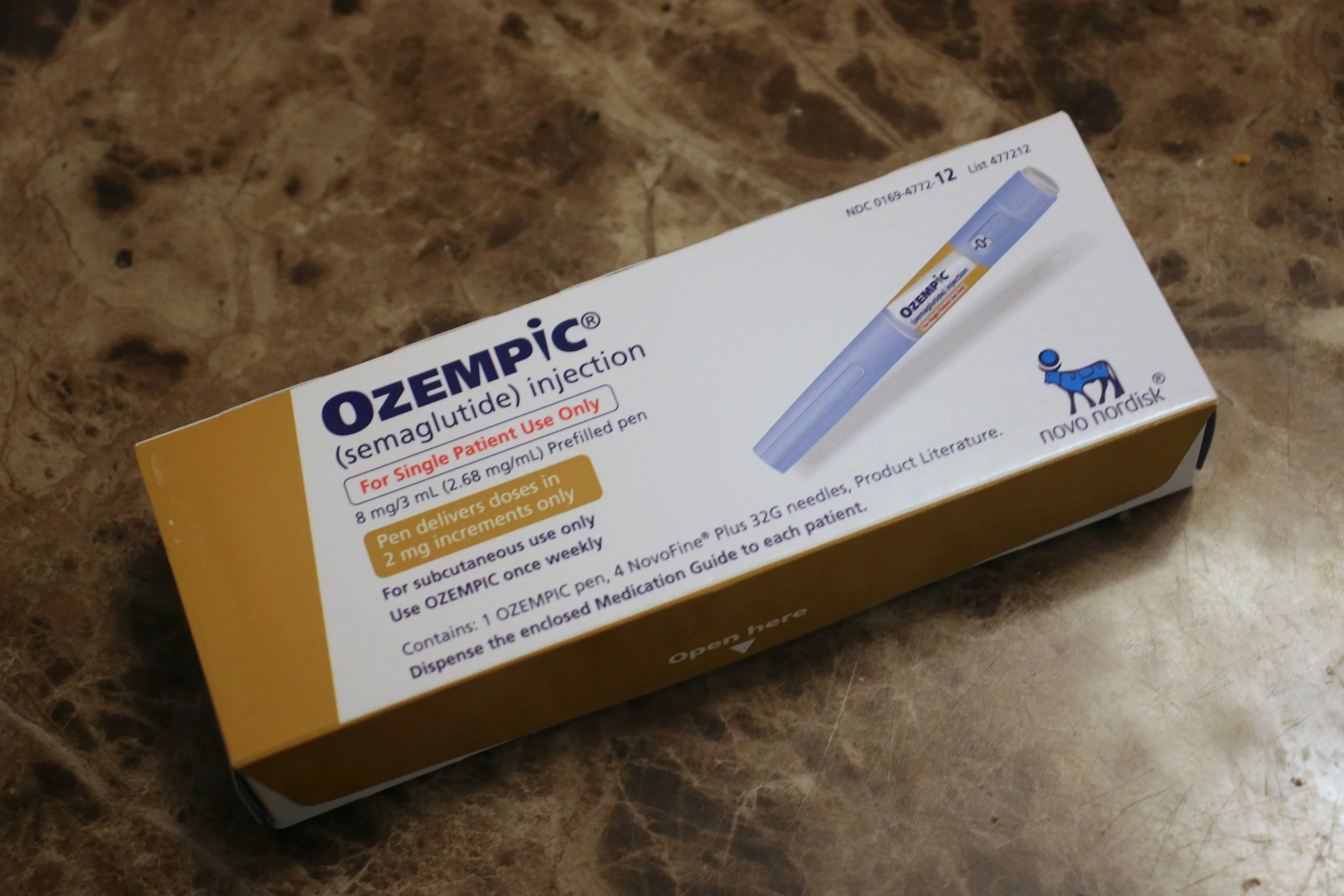
GLP-1 Weight Loss Medications: Benefits, Risks, and What You Need to Know
GLP-1 medications like Ozempic, Wegovy, and Mounjaro are changing the way people lose weight—but they're not magic. Learn the benefits, risks, and why preserving muscle and staying active are essential for long-term success.
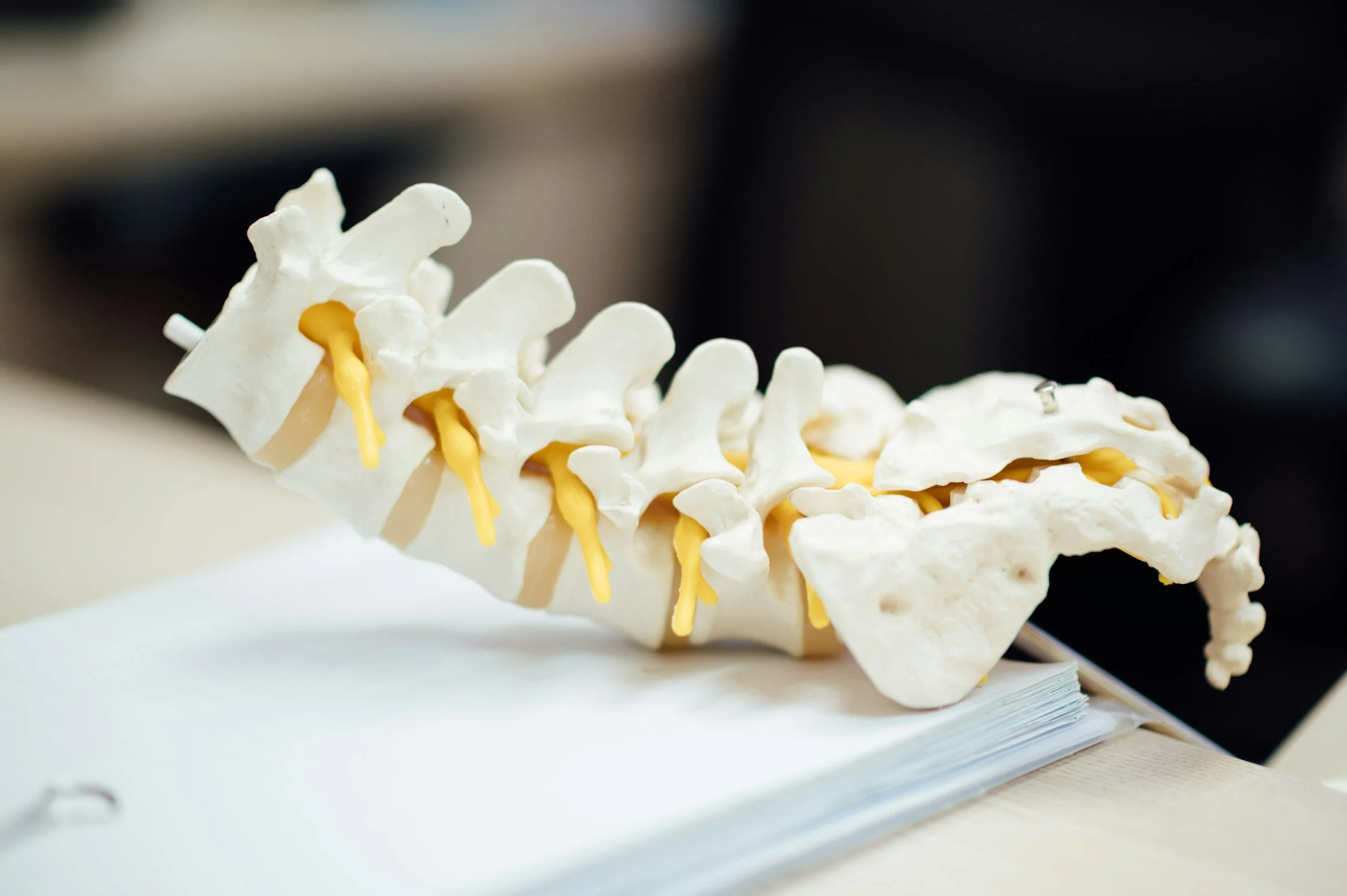
Physical Therapy vs Chiropractic Care: Which Is Right for You?
Choosing between physical therapy and chiropractic care depends on your condition, goals, and long-term results. This guide breaks down the differences so you can decide whether a physical therapist or chiropractor is right for back pain, sports injuries, or mobility issues.

Mobilization, Manipulation, or Adjustment: What's the Difference?
Confused about the difference between a joint mobilization, manipulation, and chiropractic adjustment? While these treatments all aim to reduce pain and improve movement, they aren't the same. In this article, you'll learn how each technique works, when it's appropriate, and why combining hands-on therapy with exercise often leads to the best long-term results.

How to Know If Your Pain Will Go Away on Its Own
Not all pain means something serious—but not all pain should be ignored either. Learn how to tell if your pain will resolve on its own or if it’s a sign you need physical therapy to prevent it from getting worse.

Why Your Pain Isn’t Where the Problem Is
Pain doesn’t always originate where you feel it. Learn why treating the symptom often fails—and how addressing the true root cause leads to lasting relief.

The Truth About MRIs: Why Imaging Often Doesn’t Match Your Pain
MRI results can look scary—but they don’t always explain your pain. Learn why imaging findings often don’t match symptoms and what actually matters for recovery.

SI Joint Pain in Golfers: The Overlooked Cause of Your Low Back Pain
Many golfers blame their low back when pain shows up—but the real issue may be your SI joint. Here’s how to tell and what to do about it.

How to Know If You’re Strong Enough to Golf Pain-Free (Simple Self-Tests)
Most golfers assume they just need to stretch more—but strength and control are often the missing pieces. Here are 3 simple tests to see if your body is truly ready to handle your swing.

Why Golfers in Green Bay With Knee Pain Need More Than Traditional Physical Therapy
Many golfers complete physical therapy after a knee injury but still struggle when they return to the course. Learn why traditional rehab often falls short for golfers and how golf-specific physical therapy can help you swing comfortably and play longer without knee pain.

Golfer’s Elbow vs. Tennis Elbow: What’s the Difference?
Elbow pain ruining your golf game? Learn the difference between golfer’s elbow and tennis elbow — and how golf-specific physical therapy helps you recover faster and come back stronger.

5 Reasons Why More Active Adults Are Choosing Cash-Based Physical Therapy
Insurance-based and cash-based physical therapy operate very differently. Discover the five key reasons more active adults are choosing one-on-one, performance-focused care for faster results and long-term confidence.
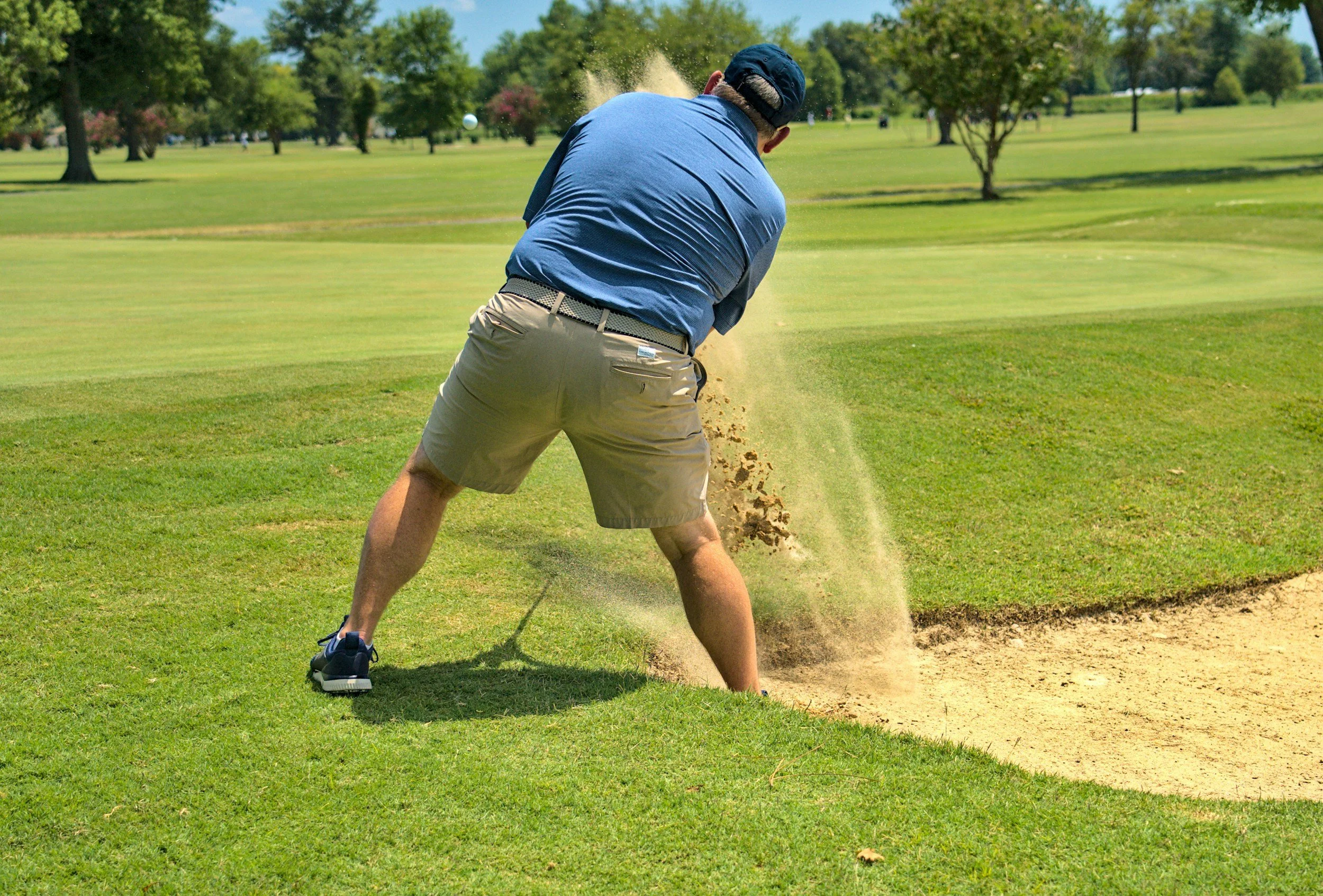
Fall Risk in Golf: How to Stay Safe and Avoid Injury
Golf injuries don’t just come from your swing. Uneven lies, wet grass, and poor balance can increase fall risk on the course. Learn how targeted balance training and golf-specific physical therapy help you stay safe, confident, and playing longer.
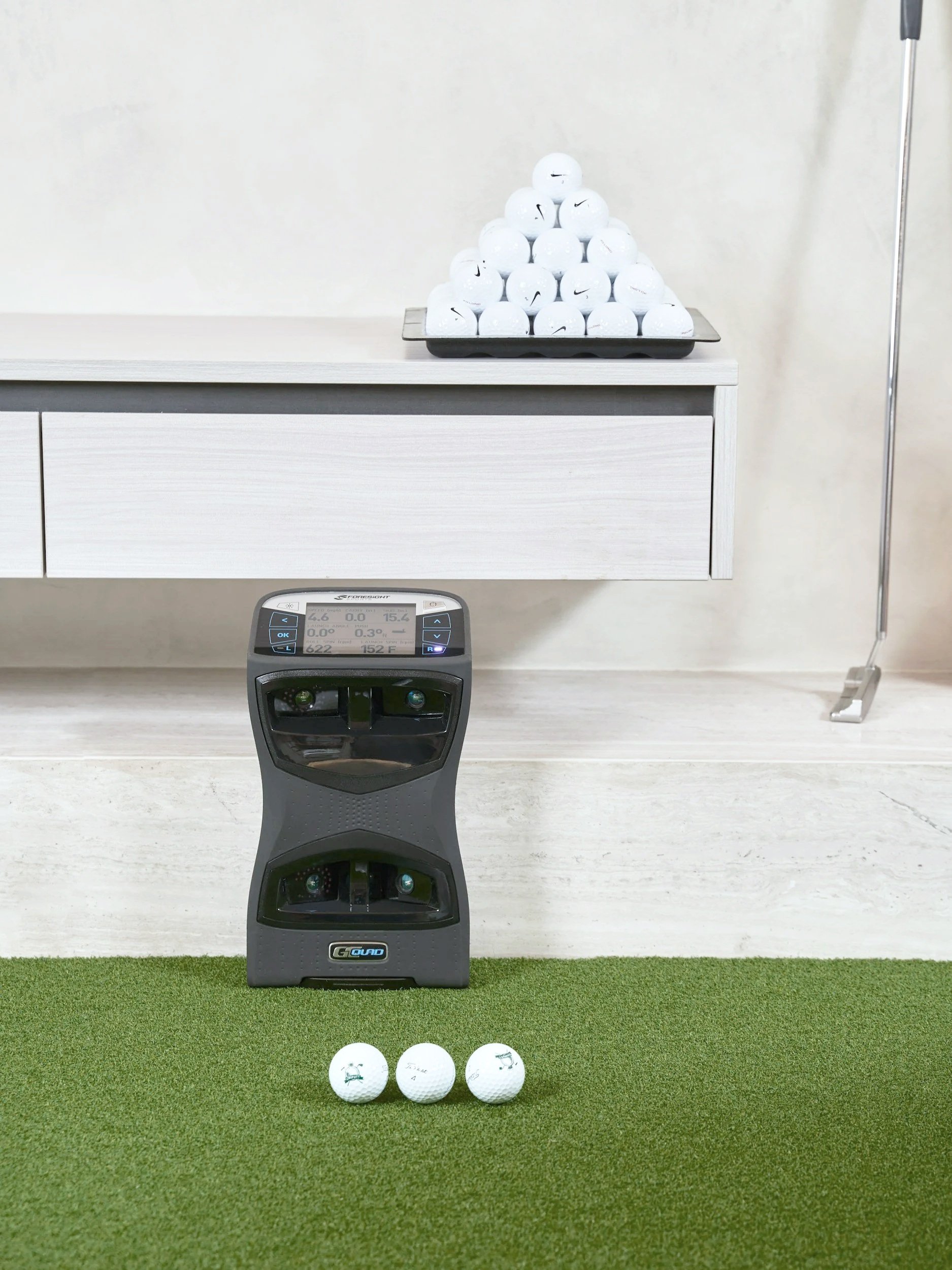
Golf Training Equipment in 2026: What Actually Works and What Doesn’t
Golf training equipment is everywhere—but not all of it delivers results. This evidence-based guide breaks down which tools actually work in 2026, which ones don’t, and how to choose equipment that leads to real improvement.

Why Your Back Hurts During the Golf Swing (And Why Rest Isn’t Fixing It)
Back pain during the golf swing is one of the most common reasons golfers lose confidence, distance, and consistency. If rest and stretching haven’t fixed it, there’s usually a deeper reason. Learn why your back hurts during golf, what’s really causing the pain, and how a golf-specific physical therapy approach can help you swing freely again.

Why Your “Strong” Body Still Hurts: The Difference Between Fitness and Movement Quality
Many active adults stay strong and fit, yet still struggle with recurring aches or pain. The problem isn’t your effort—it’s how your body moves. Learn the difference between fitness and movement quality, why poor patterns lead to injury, and how to train smarter to move pain-free.
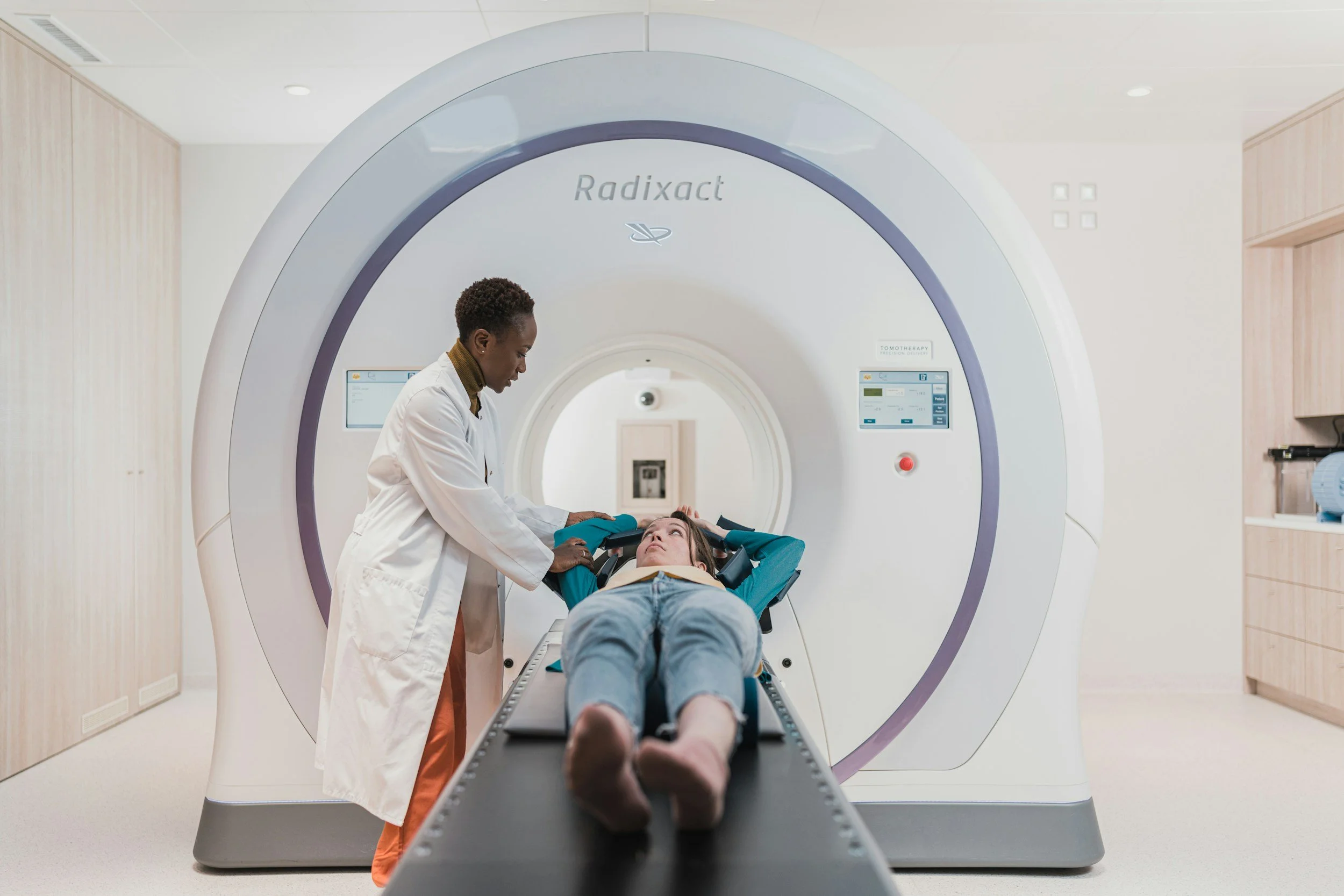
MRI Findings vs. Real Pain: Why Your Imaging Doesn’t Tell the Full Story
An MRI can show disc bulges, degeneration, or tears—but that doesn’t always explain your pain. Learn why imaging doesn’t tell the full story and what actually matters when it comes to healing and staying active.
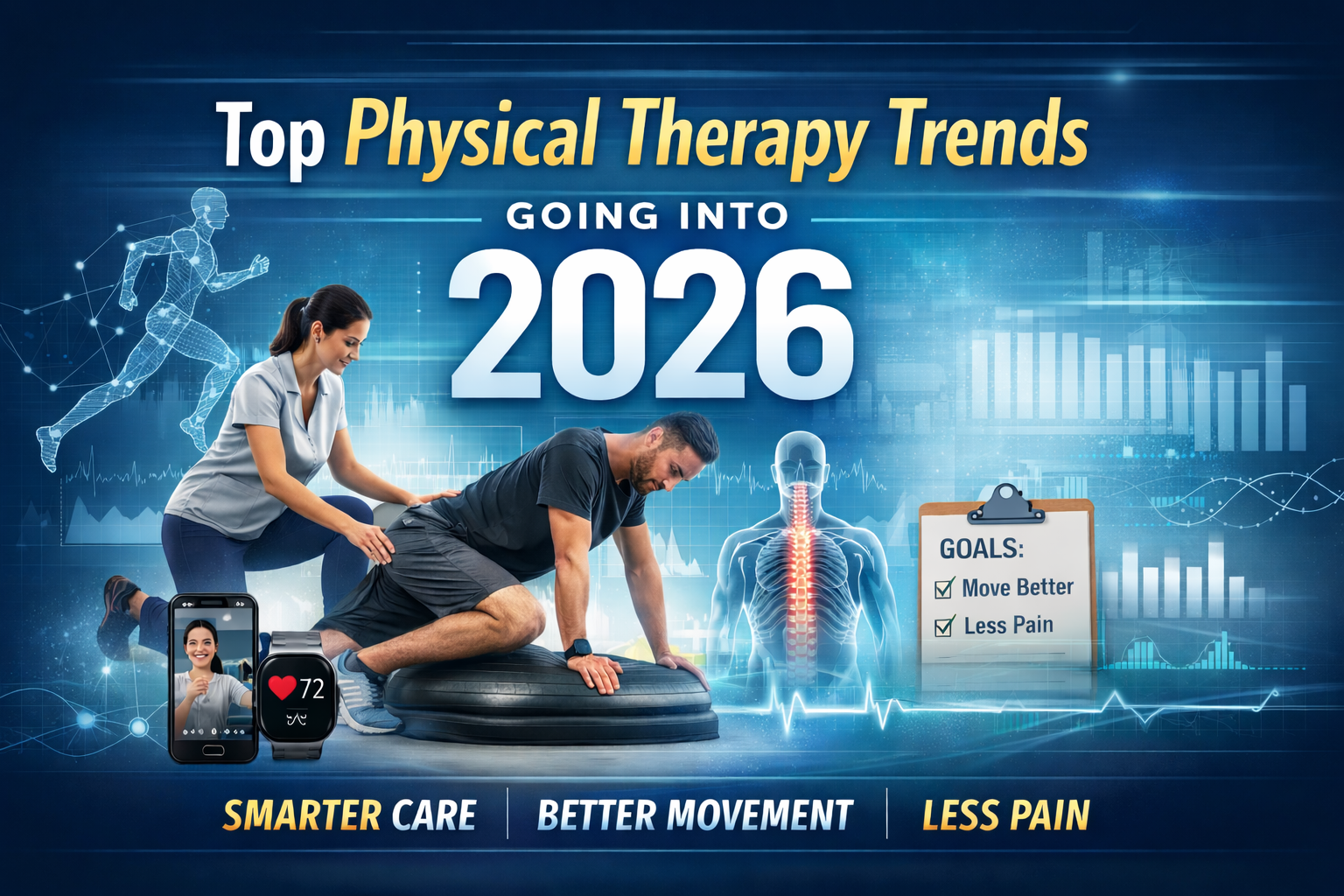
Top Physical Therapy Trends Shaping Care in 2026
Physical therapy is changing. From preventative care to smarter movement strategies, explore the top PT trends going into 2026—and how a better New Year’s resolution can help you move with less pain and more confidence.
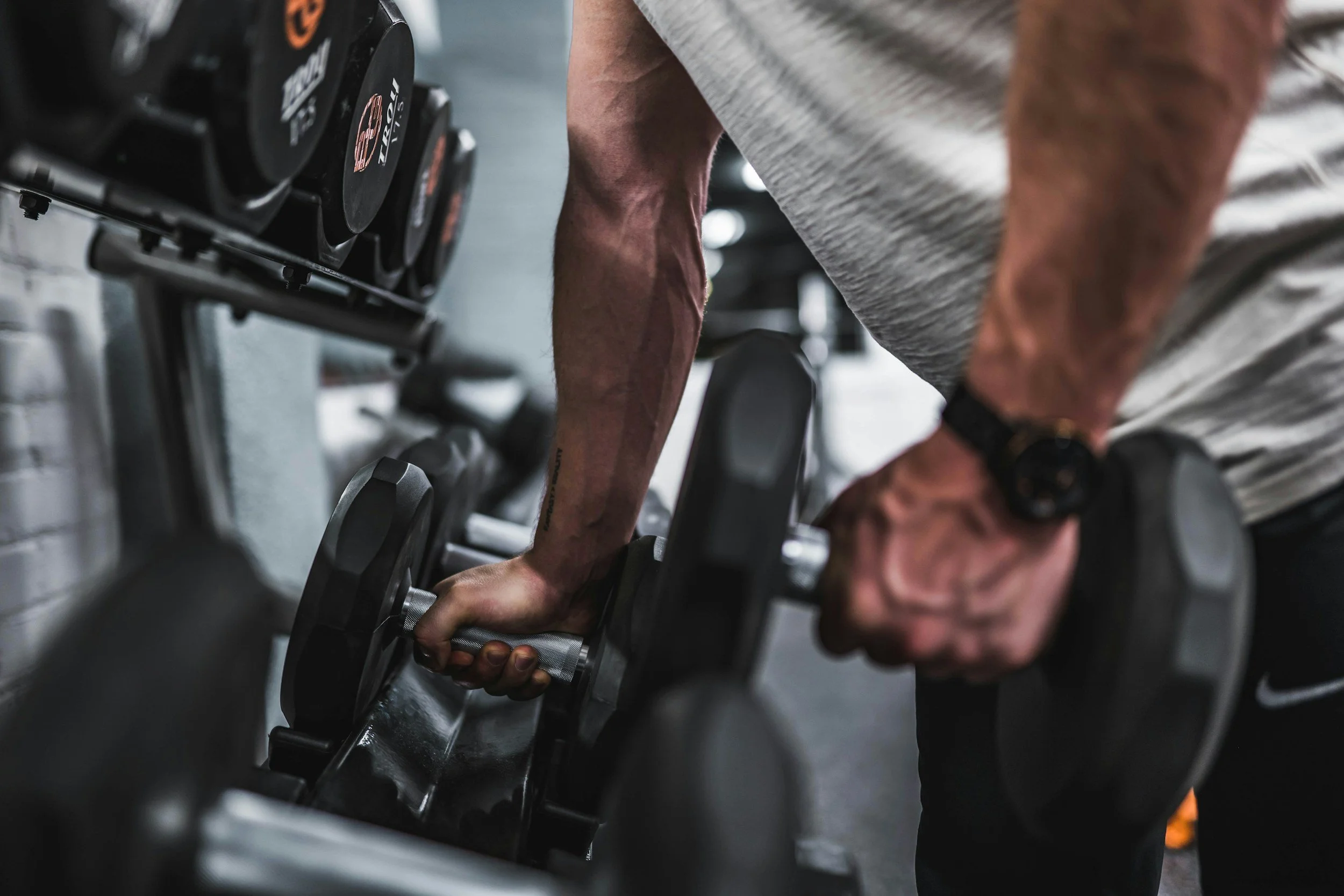
Off-Season Training: Why Winter Is the Best Time to Prevent Future Injuries
Winter isn’t just downtime—it’s the perfect opportunity to train smarter. Off-season training helps address weaknesses, improve mobility, and reduce injury risk before your busy season begins.

Why Skipping Your Warm-Up in Winter Leads to Injury
Cold weather makes muscles stiffer and more injury-prone. Skipping your warm-up in winter increases the risk of strains, joint pain, and setbacks—especially for active adults. Learn why winter warm-ups matter and how a few simple changes can keep you moving pain-free all season.